Walk the Dorset Shoreline With Confidence

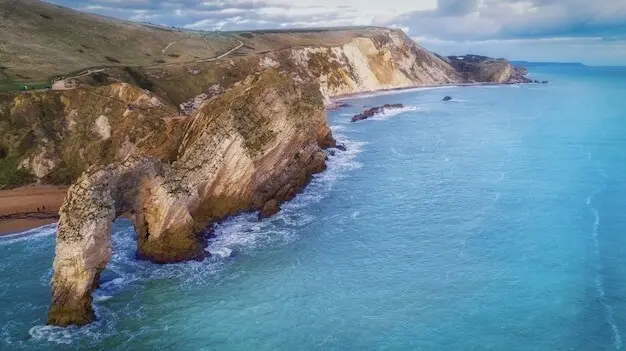
Join us as we explore safety essentials for low-tide coastal hikes in Dorset, from reading reliable tide tables and planning exit points to choosing grip-strong footwear and weather-wise layers. Learn proven habits from local walkers, understand cliff and surf hazards, and build a practical kit. Share your favorite routes or questions in the comments, and subscribe for regular coastal insights that help every shoreline adventure feel calmer, smarter, and wonderfully memorable.

Reading Tide Tables Without Guesswork

Use authoritative sources for tide times and heights, and check more than one to confirm detail. Learn the difference between spring and neap cycles, because a lower spring tide can expose tempting ground while shrinking your safe margin. Note daylight, local offsets, and daylight-saving changes. Write down your expected low water time, plan a return buffer, and keep your route flexible if the sea moves faster than anticipated.

Identifying Safe Turnaround Points

Before setting off, mark distinct turnaround features on your map—stairs, ramps, obvious headlands, or beach exits—so you are never relying on a vague guess. Decide a latest return time that beats the incoming tide by a generous cushion. If progress slows on seaweed, boulders, or shingle, shorten ambitions immediately. The most successful walks end with extra daylight, a comfortable pace back, and no scramble against the rising water.

Knowing the Ground Underfoot

Low tide reveals rock ledges, slick weed, shifting shingle, and pockets of knee-deep pools that challenge balance and judgment. Dorset’s cliffs can shed debris without warning, and narrow benches may vanish under a single set of larger waves. Move patiently, keep space from cliff bases, and test footing deliberately. A measured pace protects ankles, preserves energy, and lets you notice escape options long before you truly need them.

Navigation You Can Trust

Tidal routes can feel straightforward until mist, gathering swell, or an unpassable gully forces detours. Combine a printed 1:25,000 map with downloaded offline mapping, and mark dependable exits in advance. Distinct landmarks help, but always confirm with bearings or GPS if visibility fades. Most importantly, maintain a mental picture of retreat options, so even interesting side-quests never leave you beyond a flooding pinch point without a clear way home.

Smart Kit for Salt and Spray

Clothing That Stays Warm When Wind Bites

Coastal wind pulls heat fast, so pair a moisture-wicking base with an insulating midlayer and a breathable, windproof shell. Avoid heavy cotton that chills once damp. A cap and neck gaiter add flexible warmth, while thin liner gloves live happily in your pocket. Adapt layers early rather than waiting to feel cold. Dry spares in a sealed bag can rescue comfort if spray or rain surprises your plan.

Essentials That Shout for Help

A pea-less storm whistle carries farther than a raised voice near breaking waves. A bright panel or lightweight hi-vis vest is easy to wave from distance. Keep a small flashlight where you can reach it quickly, not buried. Consider a basic reflective band on your pack. If you carry a VHF radio and know local regulations, remember Channel 16. Otherwise, a charged phone and patience remain your primary lifelines.

Food, Water, and Energy for Long Shore Reaches

Pack water generously, because salty air and effort across boulders raise thirst stealthily. Combine slow-burn snacks, quick sugars, and something salty to keep morale lively. Stash bite-sized food where it is retrievable between obstacles. Hot drinks in a small flask lift spirits on breezy rests. Eat early, sip frequently, and finish with reserves still in your bag, not with a last desperate rummage after concentration has faded.

Weather, Swell, and Surprises

Icons showing sunshine can hide long-period swell that pushes foam deep into coves. A light offshore wind may swirl oddly near cliffs, and a harmless-looking bank of cloud can become dense fog at head height. Check multiple sources, including sea state and wave period, not just wind and rain. If anything feels off, downgrade objectives immediately; there is always another low tide and many more beautiful, unrushed days ahead.

Sharing Space With Birds, Seals, and Rockpool Life

Give hauled-out seals a very wide berth, avoid surrounding them, and keep quiet to reduce disturbance. Watch waders and nesting birds from respectful distances, using binoculars rather than feet. Rockpool creatures fare best when stones are gently replaced exactly as found. Educating children to crouch, observe, and return animals carefully turns curiosity into stewardship. The living shore thrives when our fascination travels hand-in-hand with considerate, informed behavior.

Leave No Trace on a Fragile Shore

Intertidal zones multiply the impact of careless steps, so footprint discipline matters. Carry a small litter bag, remove fishing line if safe, and brush mud from soles away from delicate vegetation. Resist shortcuts that erode fragile approaches. Minimalist picnics create minimal rubbish, and quiet conversations keep wildlife calm. Each small decision accumulates into a coastline that greets everyone with clean vistas, lively pools, and crisp, inviting morning light.

Emergency Plans That Work

Preparation shines brightest when things drift off-plan. Tell a trusted contact your route and latest return time, keep the group together, and avoid risky shortcuts. If cut off, do not climb unstable cliffs; move to higher ground above the wash, signal, and call for help. In the UK, dial 999 and ask for the Coastguard. Your calm, clear information speeds assistance and keeps small surprises from becoming serious stories.

If the Tide Traps You Beneath a Cliff

Stop, breathe, and assess. Look for benches or boulders safely above wave reach, then move there deliberately. Do not attempt steep escape lines or crumbly slopes. Put on warm layers, prepare a bright signal, and keep communication devices dry and accessible. Conserve energy by staying put once safe. Patience often turns urgency into an orderly recovery, especially when rescuers know your approximate location and you maintain steady contact.

Calling for Help in the UK

Dial 999 and request the Coastguard. Share clear details: number in party, injuries, current position, and nearby landmarks. If you use a location app, verify the reference twice before reading it. Keep your phone visible only briefly to conserve power and protect from spray. Follow instructions exactly and remain available. Your composure and clarity transform a complex shoreline situation into a controlled response with minimal risk and delay.

Incident Logging and Debrief for Next Time

After any close call or minor mishap, write a short note about timing, swell behavior, footing challenges, and gear performance. Share learning with partners and our community so others benefit. Adjust checklists, alter turnaround buffers, and improve exit awareness. Honest reflection does not dampen adventure; it enables more of it, with fewer frayed nerves. Tomorrow’s calm decisions are born from today’s careful, specific, and generously shared observations.

Pace, Breaks, and Morale on Slippery Miles

Short, regular pauses maintain warm muscles and sharp attention, reducing slips late in the day. Rotate who chooses the next safe rest spot to keep children engaged. Count strides between obstacles and celebrate neat route choices. Offer warm layers before anyone feels chilled. A buoyant, steady rhythm turns complex ground into a shared puzzle, where every careful step feels like teamwork rather than pressure or solitary effort.

Keeping Dogs Safe Around Edges and Wildlife

Leash early near cliff margins, nesting birds, or seals, and reward calm behavior. Carry fresh water and a collapsible bowl so thirsty dogs do not lap from contaminated pools. Mind paw safety on sharp rock and broken shells. A bright harness improves visibility among boulders. Teach a reliable recall at home, then practice among small distractions before testing near the shore. Safety for pets protects wildlife and friendships alike.

Making It Fun While Staying Alert

Turn hazard awareness into engaging observation: who spots the next exit sign, the highest safe bench, or the first limpets clustered above the splash line? Assign roles—navigator, timekeeper, photographer—rotating often. Celebrate excellent decisions, not only distance. Promise a cozy café or picnic afterward to keep enthusiasm fresh. Fun anchored in good judgment becomes the habit that brings families back, tide after tide, for confident, glowing coastal memories.
Piramirapexiveltozentonilo
Privacy Overview

This website uses cookies so that we can provide you with the best user experience possible. Cookie information is stored in your browser and performs functions such as recognising you when you return to our website and helping our team to understand which sections of the website you find most interesting and useful.