Low Tide Wonders Along Dorset’s Edge

Timing the Ocean’s Breath
Decoding Spring and Neap Cycles
Spring tides cluster around new and full moons, often deepening near perigee and equinox, while neaps offer gentler retreats that still reward careful eyes. Study local tide tables for Kimmeridge, Lyme Bay, and Poole, then compare forecast swell and wind, because exposed reefs mean little if surf and chop bury the details.
Catching the Year’s Lowest Ebbs
Mark your calendar for especially low astronomical tides, typically near the equinoxes, when kelp holdfasts, cushion stars, and shy blennies appear within camera reach. Arrive early as the ebb slows, linger at slack, and retreat decisively as the flood returns, honoring the coast’s rhythm rather than racing its clock.
Rockpools That Reveal Secret Cities
Wings Over the Tidal Flats
Winter Gatherings on the Fleet and Harbour
Spring and Autumn Flyways
Quiet Watching and Fieldcraft
Kelp, Wrack, and Edible Shores
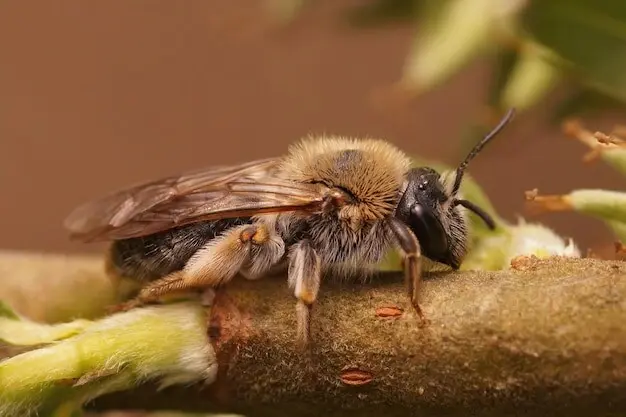
Unexpected Visitors in Quiet Bays
Photography That Respects Wildlife
Choose early or late light, a polariser to cut glare, and macro lenses for anemones without lifting them. Kneel, brace, and wait for wind lulls rather than chasing subjects. If an animal changes behavior, step back. A considerate frame carries more truth than a perfectly sharp disturbance ever will.
Notebooks and Tide Diaries
Record time, location, moon phase, swell, wind, cloud, and what stirred you most. Sketch shell spirals, map safe routes, and paste tide tables beside penciled birds. Over months, you’ll spot repeating windows, unexpected dips, and companionable coincidences that transform outings into a practiced conversation with Dorset’s intertidal heartbeat.
Citizen Science in Dorset
Submit rockpool finds to Shoresearch or iRecord, log birds with BirdTrack, and share photographs through iNaturalist, tagging precise sites responsibly. Your notes help track shifting distributions, warm-water arrivals, and recovery after storms. Invite friends to contribute, subscribe for updates, and return after the next moon to refine every observation together.