Tide‑Savvy Paths between Lyme Regis and Charmouth

Set out with confidence using our interactive map of tide‑dependent access points between Lyme Regis and Charmouth, created to help you read safe windows, avoid pinch points, and enjoy a living shoreline. Today we focus on the Interactive Map of Tide‑Dependent Access Points between Lyme Regis and Charmouth, blending practical guidance, local insights, and respectful coastal stewardship. Share your observations, subscribe for updates, and help others journey safely across this remarkable stretch of the Jurassic Coast.

Reading the Tides for Confident Shoreline Travel

Tide timing transforms this short distance into a shifting puzzle of shingle bars, clay shelves, and narrow cliff bases. Learn how to anticipate safe passage by combining predicted high and low water with local nuances like swell, recent rain, and daylight. The map’s time slider, predictive shading, and alerts encourage unhurried planning, while reminders about turn‑back points reinforce good judgment when conditions tighten earlier than expected.

Shaping Forces of the Jurassic Coast
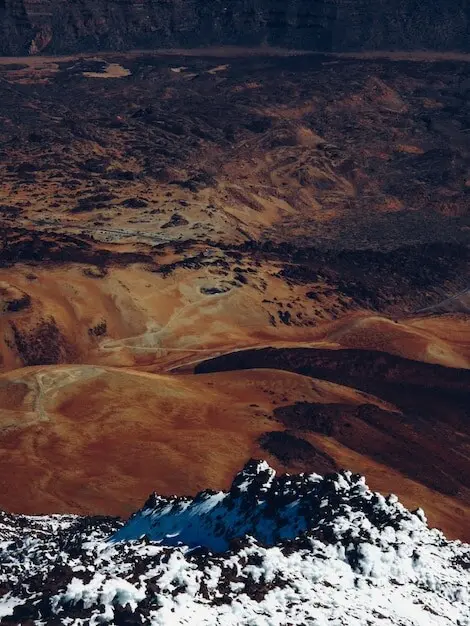
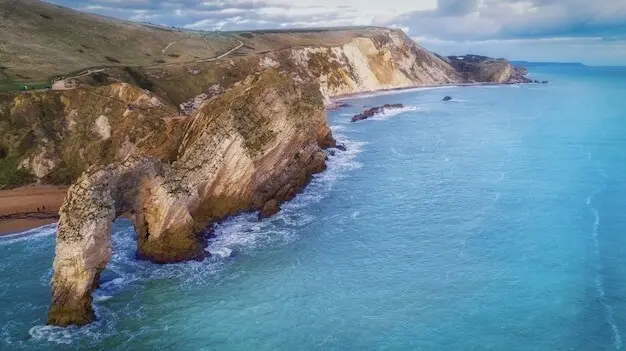
Between Lyme Regis and Charmouth, geology writes the rules of access. Clay layers slump, shingle shifts, and wave‑cut platforms change character after every storm. Our guidance explains how landslips create temporary benches one week, then vanish the next. Understanding these forces makes the map’s warnings feel intuitive, encouraging you to scan cliffs, listen for rockfall, and treat freshly exposed ground with humility, curiosity, and a seasoned walker’s calm caution.

Practical Safety, Gear, and Weather Awareness

Preparation turns uncertainty into manageable risk. Footwear with reliable grip, layered clothing, and a compact headlamp help when mist creeps in or sunsets surprise. Weather and swell forecasts can extend or erase predicted access windows, so build redundant plans. Add a charged phone, paper map backup, and a small first‑aid kit. Our checklist favors steady confidence over bravado, inviting careful choices that keep adventures joyful, shareable, and comfortably repeatable.

Wayfinding, Landmarks, and Local Stories

This shoreline blends famous icons with subtle cues. The Cobb’s curve, Church Cliff’s layered scrapbook of stone, and Charmouth’s river mouth all orient careful walkers. Local tales recall nights when mist swallowed landmarks and a dropping tide quietly reopened escape routes. Our guidance weaves these references into your planning, shaping decisions less by hunch and more by practiced observation, patient timing, and kindly shared experience from generations who know these waters.

Recognizable Landmarks from East to West

From the Cobb’s silhouette to the stepped strata of Church Cliff and the braided Char, prominent shapes guide progress even when paths thin. Use our map to pre‑visualize profiles, then confirm in person with measured glances. Landmarks can mislead across distance, so pair them with tide timing and sound judgment, especially at twilight when contrast flattens and familiar curves turn quietly abstract against an encroaching, reflective waterline.

Reading Natural Clues When Signal Fades

If mobile signal dwindles, look for damp lines tracing the tide’s last reach, foam trails marking currents, and algae bands revealing slippery boundaries. Pebble polish hints at frequent wash; barnacle height indicates usual exposure. These field cues complement earlier map planning. Move slowly, reassess often, and resist straight‑line shortcuts around blind corners where swell concentrates. Old‑fashioned observation, layered over modern tools, remains a deeply reliable companion along changing margins.

Make the Most of the Interactive Layers

Our interface pairs clarity with depth. Time sliders forecast tidal accessibility blocks, hazard icons flag unstable zones, and amenity layers reveal steps, toilets, parking, and buses that reshape logistics. Filters sort access by confidence or caution, while contributor notes add lived nuance. Explore on desktop before you go, then on mobile for quick checks. Your comments, photos, and respectful disagreements keep information evolving, honest, and genuinely useful to everyone.

Wildlife, Conservation, and Responsible Access

This corridor brims with intertidal life and world‑famous fossils, protected within a UNESCO World Heritage Site. Gentle curiosity matters: watch for nesting birds, avoid hammering cliffs, and collect only loose, naturally fallen finds. Tread lightly on rock pools, keep dogs close where wildlife rests, and pack out every scrap. Our notes highlight seasonal sensitivities so exploration remains joyful, sustainable, and faithfully stewarded for the next low tide and the next generation.

Tide Pools and Intertidal Life

Pools shelter anemones, crabs, blennies, and patient snails that weather both sun and surge. Step between, not through, and replace any moved stones. View creatures gently, keep hands wet if touching, and avoid sunscreen slicks near water. The map marks richer areas so you can linger respectfully without crowding fragile spots. Small kindnesses echo widely here, preserving delicate rhythms that make each receding tide reveal its quiet, intricate theater.

Fossil Etiquette on a Protected Coastline

The best finds often lie loose after winter storms, not embedded in protected cliffs. Use eyes more than tools, consult local centers in Charmouth, and share notable discoveries with experts who can guide ethical handling. Our guidance favors learning over extraction, helping visitors understand context, geology, and safety. Celebrate patience; even a modest ammonite teaches deep time. Leave the coast richer in knowledge, lighter in footprint, and eager to return thoughtfully.
Piramirapexiveltozentonilo
Privacy Overview

This website uses cookies so that we can provide you with the best user experience possible. Cookie information is stored in your browser and performs functions such as recognising you when you return to our website and helping our team to understand which sections of the website you find most interesting and useful.