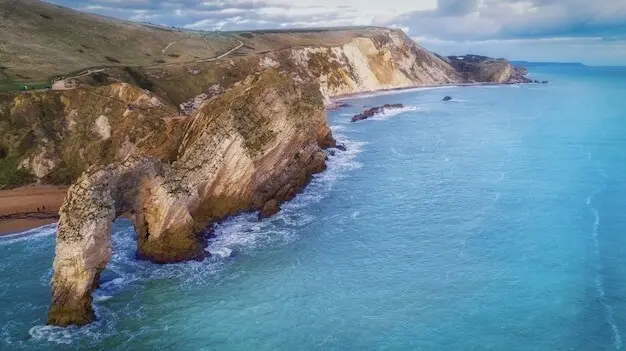
Spring Tide Photography across Lyme Bay’s Carved Shores

Join us along England’s Lyme Bay to photograph wave-cut platforms and sculpted sea arches during powerful spring tides, when the ocean retreats to reveal rarely exposed textures, fossils, and reflective pools. We’ll blend safety-first planning, geological curiosity, and creative technique to help you capture lyrical, long-lived images worth printing, sharing, and revisiting whenever the moon draws the water lower than usual.

Reading Tide Tables and Lunar Cycles

Study official tide timetables for Lyme Regis, Charmouth, and nearby reference ports, noting time differences along the bay. Cross-check moon phases to anticipate especially low ebbs around new and full moons. Arrive early, scout exit routes in daylight, and plot compositions that will reveal themselves precisely when rock shelves emerge, giving you minutes—sometimes less—before the ocean turns and urgency returns.

Swell, Set Waves, and Safe Windows

Even on calm forecasts, long-period swell can surprise you with surging sets that overrun platforms without warning. Observe wave rhythm for at least a full cycle, tracking the largest pulses. Place your tripod above splash lines, avoid cliff base chokepoints, and never step onto algae-glazed rock when distracted by light. The difference between unforgettable frames and dangerous mistakes is measured in patient observation.

Escape Routes and Cut-Off Awareness

Study the coastline’s shape to avoid getting trapped by a rising tide curling around headlands. Identify multiple retreat paths, marking safe shingle ramps, staircase exits, and wide shelves that remain passable even as water advances. Share your plan with a friend, carry a whistle or light, and turn back early if the ocean’s speed, wind direction, or your own energy levels shift against you.

Stones That Tell Time: Ledges, Pools, and Arches

Lyme Bay’s geologic story paints every photograph. Blue Lias layers, fossil-studded pavements, and eroded portals shape foreground rhythms and horizons alike. At spring low, mirror-like pools and rippled limestone create leading lines toward silhouetted openings and distant headlands. Learn how subtle curvature, fossil textures, and tide-sculpted microterraces can choreograph depth, balance, and narrative without stealing attention from the sea’s grand, breathing presence.

01

Monmouth Beach’s Ammonite Ledges

When the spring ebb is generous, parts of Monmouth Beach reveal astonishing ammonite pavements and lightly flooded ledges that shimmer at dawn. Frame fossils as guiding motifs without stepping on or dislodging them. Use a polarizer sparingly to control glare, retaining delicate reflections. Low perspectives emphasize spirals, while telephoto compressions stack contours, hinting that time, tide, and biology share the same circular handwriting.

02

Red Cliffs and Coastal Openings West of Lyme Regis

Toward East Devon, iron-rich cliffs glow warm under low sun, and smaller sea openings sometimes appear between ledges and buttresses. Scout at extreme ebb to understand safe alignments for backlit silhouettes. Look for triangulated shapes, converging strata, and wave patterns that frame apertures naturally. Keep distance from unstable slopes, watch for falling debris, and let wind-borne spray add halation that softens hard geological edges beautifully.

03

Lines, Textures, and Negative Space on Wet Rock

Wave-cut platforms provide instantly compelling geometry, yet restraint elevates results. Leave intentional gaps—negative space—that invite the eye to wander. Use diagonal grooves to guide movement, alternating slow-shutter silk with tack-sharp textures. Maintain clear subject hierarchy: a reflective pool anchoring foreground, ledges steering midground, and an arch or headland completing the story. Simplicity sings loudest when the ocean’s voice remains the dominant melody.

Light Choreography: From Pink Dawn to Indigo Dusk

Light at the coast changes faster than the tide it skims. Spring lows near sunrise or sunset align ethereal color with accessible rock textures, rewarding photographers who anticipate shifts rather than react. Practice metering against glow, backlit spray, and reflective slabs to avoid clipped highlights. Blend warm and cool tones thoughtfully, letting pink horizons kiss blue shadows while foam trails write luminous calligraphy across the frame.

Tools Built for Salt and Spray

Equipment choices matter when brine, wind, and grit push back. A sturdy tripod with reliable locks and grippy feet keeps horizons straight on slick rock. Weather-sealed lenses, microfiber cloths, and a blower protect clarity. Neutral-density and graduated filters craft motion and dynamic range. Waterproof boots, gloves, and spare layers preserve focus when the ocean tests your patience, judgment, and commitment to the shot you imagined.
Set legs wide with a low center of gravity, nestling feet into rock undulations rather than perching on algae sheen. Disable center column for stability, and hang your bag only if wind allows. Recheck level after each set wave. Salt accelerates wear, so rinse locks afterward. A compact repair kit and spare plate save sessions when threads seize or a lever fails at the worst moment.
Carry a 6-stop ND for silky lines under soft light, and a 10-stop for brighter conditions. Graduated filters help hold horizon glow, but tilt cautiously to avoid uneven cliff darkening. Use a circular polarizer minimally over tide pools to preserve reflection depth. Always cap filters between sets; spray crystals etch coatings quickly. A dedicated, absorbent cloth lives in your pocket strictly for front-element emergencies.
Ultra-wides exaggerate foreground fossils and stretch leading lines toward distant arches, but demand careful edge management. Mid-telephotos compress cliff layers, isolating spray and sculpted openings with graphic simplicity. Pack both. Prime sharpness shines on textured ledges; zoom flexibility wins when tide tempo changes. Lens hoods tame flare near reflective slabs, while careful stance keeps your shadow from invading the composition’s quietest spaces.

Approaches from Lyme Regis toward Monmouth Beach

From the Cobb, follow established routes west, checking for closures and slippery sections. Time your passage around rocky points with the lowest water, and mark return cutoffs on your map. Keep distance from active landslips at Black Ven. If swell lifts unexpectedly, choose higher ground early. Exchange friendly updates with locals; their day-to-day observations often outperform any forecast or satellite model on nuance.

Exploring Westward Ledges toward East Devon

As you move toward the red cliffs, platforms can mosaic into complex paths. Photograph only where retreat is clear. Watch for changing sediment that masks drop-offs between slabs. Local clubs sometimes share seasonal access notes; consider joining a meet to combine safety with camaraderie. When you discover a quiet cove, celebrate it in pictures, then leave it exactly as the tide will remember it.

Fossils, Nesting Birds, and Leave No Trace

Admire exposed ammonites in situ; do not pry, chip, or pocket what centuries curated. Give nesting gulls, fulmars, and shorebirds a wide berth, especially during spring. Keep tripods out of fragile pools, and let curious children and dogs explore safely without stepping on living habitats. Pack out everything, even wind-blown litter you did not bring. Stewardship deepens your images with earned integrity and gratitude.

Crafting Narrative and Editing Flow

Great coastal photographs feel like breathing: inhale detail as water retreats, exhale simplicity when it smooths. Build sequences that move viewers along ledges, under airy openings, and back to the horizon’s promise. In editing, protect whites in spray, rescue midtone texture on rock, and guide attention with subtle dodging. Let color carry mood, but print-worthiness comes from restraint, patience, and thoughtful pacing through time.

Journeys, Anecdotes, and Community

Shared experience makes coastal photography safer and richer. Swap tide notes, compare vantage points, and celebrate near-misses that taught caution. Consider hosting meetups timed to favorable lunar cycles. Invite constructive critique, and mentor beginners on safe conduct. Comment with your favorite access windows and subscribe for future spring-tide alerts, gear field tests, and itineraries. Together, we can help each other return home inspired.
Piramirapexiveltozentonilo
Privacy Overview

This website uses cookies so that we can provide you with the best user experience possible. Cookie information is stored in your browser and performs functions such as recognising you when you return to our website and helping our team to understand which sections of the website you find most interesting and useful.